
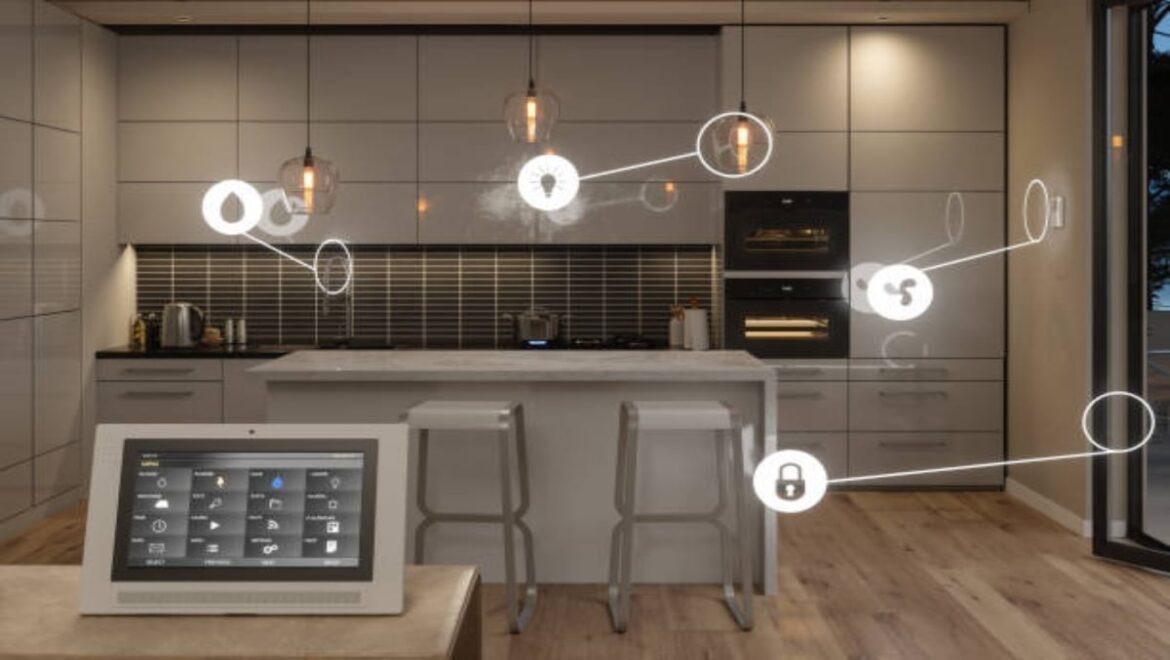
In recent years, the concept of smart homes has shifted from futuristic fantasy to an attainable reality for many homeowners. As technology continues to advance at a rapid pace, the desire for smart homes has grown exponentially. More people are looking to integrate smart technology into their living spaces to improve convenience, enhance security, and increase energy efficiency. This trend is particularly noticeable among tech-savvy millennials and Gen Z individuals who are keen on adopting the latest innovations to make their lives easier and more interconnected.
The Appeal of Automation
The appeal of smart homes lies in their ability to automate everyday tasks and provide seamless control over various aspects of the household. From smart thermostats that learn and adapt to residents’ preferences to voice-activated assistants that can control lighting, security systems, and appliances, the possibilities are endless. The convenience of being able to monitor and manage one’s home from a smartphone or tablet, regardless of location, is a major selling point for many. Additionally, the integration of smart home devices with platforms like Amazon Alexa, Google Assistant, and Apple HomeKit has made it easier than ever to create a cohesive and intuitive smart home ecosystem.
Enhancing Security and Peace of Mind
Security is a primary concern for many homeowners, and smart homes offer a range of solutions to address this issue. Smart security systems, including cameras, motion sensors, and doorbell cameras, provide real-time monitoring and alerts, giving homeowners peace of mind whether they are at home or away. Advanced features such as facial recognition, two-way communication, and remote access further enhance the security of smart homes. The ability to lock and unlock doors remotely, as well as set up automated routines that simulate occupancy when residents are away, adds an extra layer of protection against potential intruders.
Energy Efficiency and Sustainability
Another significant advantage of smart homes is their potential to improve energy efficiency and promote sustainability. Smart thermostats, for example, can optimize heating and cooling schedules based on occupancy patterns and weather conditions, resulting in significant energy savings. Smart lighting systems can adjust brightness levels and turn off lights in unoccupied rooms, further reducing energy consumption. Additionally, smart appliances such as refrigerators, washing machines, and dishwashers can operate during off-peak hours, lowering electricity bills and reducing the strain on the power grid. These features not only contribute to a greener environment but also offer financial benefits to homeowners.
The Cost of Creating a Smart Home
Despite the numerous benefits, the cost of creating a fully integrated smart home can be a significant barrier for some. The initial investment required to purchase and install smart devices can be substantial, especially for high-end products with advanced features. For example, a comprehensive smart security system can cost several hundred to several thousand dollars, depending on the number of cameras and sensors needed. Similarly, smart thermostats, lighting systems, and appliances often come with a premium price tag. However, it’s important to note that prices have been gradually decreasing as the technology becomes more widespread, making smart homes more accessible to a broader audience.
Weighing the Investment
When considering the investment in a smart home, it’s crucial to weigh the upfront costs against the long-term benefits. The convenience, enhanced security, and energy savings provided by smart home technology can lead to a higher quality of life and potential cost savings over time. Additionally, the value of a home can increase with the inclusion of smart features, which can be an attractive selling point for future buyers. For those willing to invest in the initial setup, the advantages of living in a smart home can far outweigh the costs, making it a worthwhile consideration for anyone looking to embrace the future of living.
References