
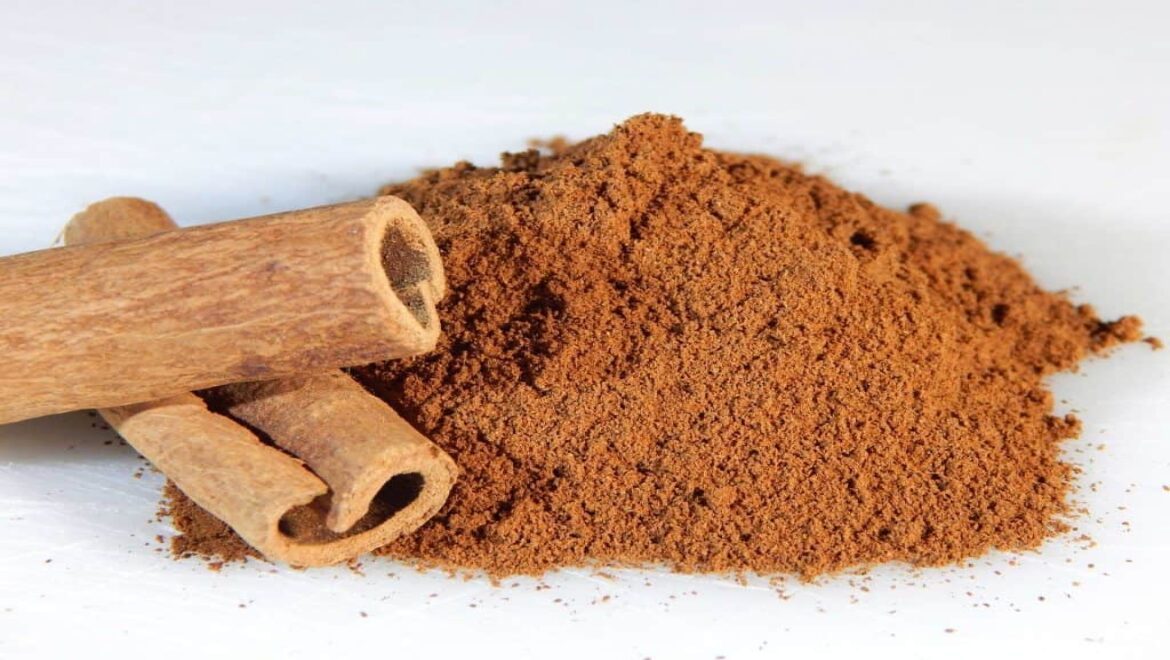
Pregnancy is a period when expectant mothers become more cautious about their diet, considering the potential impact on their health and the well-being of their unborn child. One ingredient that often raises questions is cinnamon. While cinnamon is a popular spice used in a variety of dishes, its safety during pregnancy has been a topic of debate. We will explore the safety aspects of consuming cinnamon during pregnancy and examine the available evidence.
There are countless substances that have the rumored effect of bringing on a miscarriage and cinnamon is one of them. It has long been known that cinnamon contains powerful properties and studies have been carried out on the use of cinnamon for a range of health conditions such as diabetes and cancer.
Unfortunately, no studies (that we could find) have been carried out which can confirm or deny that eating cinnamon can cause a miscarriage. The information available seems to point to the possibility that it could do when taken in large quantities, but there is no guide as to what would constitute a large quantity.
Let’s take a look at the evidence for and against eating cinnamon during pregnancy and how much may be toxic so that you can make an informed decision about whether to cut it out of your diet completely or not.
How Much Cinnamon is safe to eat when not pregnant?
The answer to this depends on which type of cinnamon you’re planning to eat. There are two main types of cinnamon – cassia cinnamon and Ceylon cinnamon.
One of the main concerns regarding cinnamon consumption during pregnancy is the presence of a compound called coumarin. Coumarin is a natural compound found in several plants, including cinnamon. Studies have suggested that high levels of coumarin can be harmful to the liver and may potentially cross the placenta, posing risks to the developing fetus.
Coumarin Content in Different Types of Cinnamon
It’s important to note that the coumarin content in cinnamon varies depending on the type. Cassia cinnamon, also known as Chinese cinnamon, contains higher levels of coumarin compared to Ceylon cinnamon.
Cassia cinnamon is commonly found in supermarkets and used in cooking and baking, while Ceylon cinnamon is often considered as “true” cinnamon and has a milder flavor. Therefore, if you choose to consume cinnamon during pregnancy, opting for Ceylon cinnamon may be a safer choice due to its lower coumarin content.
When you’re not pregnant the safe amount of cassia cinnamon you can eat seems to be 1-4 grams per day.
Studies have shown that eating more than this can cause symptoms such as liver damage, increase the risk of certain cancers and cause breathing problems.
That doesn’t tell us much about how much cinnamon is safe to eat in pregnancy though.
We don’t know if the placenta filters out any potentially toxic compounds found in cinnamon and we also don’t know how much a growing fetus can tolerate.
What we do know is that the fetus’ ability to remove toxic compounds from its system is limited.
So Is Cinnamon Dangerous During Pregnancy?
Information is scanty and there doesn’t seem to be a clear cut answer to this.
A number of the “big” medical websites such as Mayo Clinic are silent about whether cinnamon should be avoided by pregnant women.
However, WebMD does specifically mention that pregnant or breastfeeding women should not to eat it.
So there’s conflicting information out there.
A study published in BJOG: An International Journal of Obstetrics & Gynaecology lists cassia cinnamon as possessing emmenagogue and abortifacient effects.
What that means in plain English is that it stimulates or increases blood flow during menstruation (emmenagogue) and can cause spontaneous miscarriage (abortifacient).
Another study published in Journal of dietary supplements states that cinnamon is not recommended for pregnant women “due to lack of sufficient data,” and that consumption of large amounts of it may have abortifacient effects.
But there’s little information about the studies that led to that conclusion, nor how much cinnamon would have to be ingested for those effects to occur.
The Safety of Eating Cinnamon During Pregnancy: A Closer Look
Expert Recommendations
According to the European Food Safety Authority (EFSA), consuming high levels of coumarin during pregnancy is a concern. The EFSA advises that pregnant women should limit their intake of cassia cinnamon and opt for alternatives with lower coumarin levels, such as Ceylon cinnamon. The American Pregnancy Association also suggests moderation when it comes to cinnamon consumption during pregnancy.
Potential Benefits of Cinnamon
While there are concerns about coumarin, it’s worth mentioning that cinnamon itself has several potential health benefits. It has been traditionally used to manage blood sugar levels and improve insulin sensitivity. However, it’s important to note that the research on these benefits is still limited and inconclusive.
Safe Consumption Practices
If you choose to include cinnamon in your diet during pregnancy, it is recommended to do so in moderation. Here are a few tips to ensure safe consumption:
- Opt for Ceylon cinnamon: As mentioned earlier, Ceylon cinnamon has lower coumarin levels compared to cassia cinnamon, making it a safer choice during pregnancy.
- Moderate intake: Limit your overall consumption of cinnamon to avoid excessive coumarin intake. A pinch or two of cinnamon powder added to your meals or beverages should be considered a reasonable amount.
- Diversify your diet: Instead of relying solely on cinnamon, explore other pregnancy-safe spices and herbs to add flavor to your dishes.
Are Cinnamon and Pregnancy Completely Incompatible?
Our advice would be to read up on the information available and make your own decision.
If you want to err on the side of caution, (which is never a bad route to take when pregnant), then yes cut out cinnamon for now.
Saying that it seems reasonable to assume that a small amount of cinnamon now and again is unlikely to cause problems.
When we say ‘small’ we mean any seasoning that might be lightly sprinkled on a dessert or in cookies for instance.
Cinnamon is used in many different worldwide cuisines and so would be hard to completely avoid.
It should be fine to eat foods which contain a small amount of cinnamon seasoning, such as the amounts found in Thai or Indian food.
What you certainly shouldn’t be doing is eating anything which is heavily cinnamon laden on a daily basis or any supplements containing the spice.
Eating larger amounts of cinnamon regularly could definitely be risky.
As already mentioned there aren’t any studies available on eating high amounts of cinnamon in pregnancy but we do know that essential cinnamon oil is a definite no-no because it can cause uterine contractions.
It’s also worth mentioning that cinnamon is often found in herbal medicines and herbal teas so always check the ingredients and talk with your doctor or midwife if you are taking or planning to take these.
Is Cinnamon All Bad?
Outside of pregnancy, cinnamon is a very healthy and useful spice to use and can be taken as a supplement.
Ayurveda medicine recommends using cinnamon after birth to cleanse the uterus, but again, this is something you should talk to your doctor about first.
The most sensible approach to cinnamon intake during pregnancy is to err on the side of caution. Don’t worry about eating small amounts now and again but avoid large amounts.
You should definitely avoid taking any cinnamon supplementation whilst you’re pregnant and also avoid cinnamon essential oil and herbal teas or remedies containing cinnamon.
While cinnamon can add a delightful flavor to your meals, it’s important to approach its consumption during pregnancy with caution. The high coumarin content in certain types of cinnamon, particularly cassia cinnamon, raises concerns about its safety.
Choosing Ceylon cinnamon and consuming it in moderation can help minimize potential risks. As always, it is advisable to consult with your healthcare provider for personalized advice based on your specific circumstances.
Sources:
- https://www.ncbi.nlm.nih.gov/pubmed/20024932
- https://www.healthline.com/nutrition/side-effects-of-cinnamon
- https://www.drugs.com/npc/cinnamon.html
- https://www.webmd.com/diet/supplement-guide-cinnamon
- http://cinnamonzone.hk/DOWNLOADS/Cinnamon%20-%20JDS,%202011.pdf
- http://onlinenutritionadvice.com/what-foods-should-be-avoided-in-pregnancy
- European Food Safety Authority. (2012). Coumarin in flavourings and other food ingredients with flavouring properties. EFSA Journal, 10(3), 2588.
- European Food Safety Authority. (2008). Opinion of the Scientific Panel on Food Additives, Flavourings, Processing Aids, and Materials in Contact with Food on a request from the Commission related to coumarin. EFSA Journal, 6(12), 793