
• About
  • Contact
  • Pinterest
Pregged.com
  • Pregnancy
    • Getting Pregnant
      • Am I Pregnant?
      • Unplanned Pregnancy
      • Miscarriage
      • Pregnancy Symptoms
      • Pregnancy Health
      • Mental Health
      • 1st Trimester
      • 2nd Trimester
      • 3rd Trimester
    • Week by Week
    • Getting Ready
      • Labor
      • Birth
      • Postpartum
      • Baby
      • Baby Names
      • Baby Astrology
      • Breastfeeding
    • Essentials
      • Pregnancy Products
      • Maternity Wear
      • Baby Gear
      • Diapers
      • Postpartum Products
      • Gift Ideas
  • Local
  • Lifestyle
  • Relationships
  • Technology
  • 🇺🇸
  • 🇪🇸
  • 🇩🇪
  • 🇵🇹
  • Pregnancy
    • Getting Pregnant
      • Am I Pregnant?
      • Unplanned Pregnancy
      • Miscarriage
      • Pregnancy Symptoms
      • Pregnancy Health
      • Mental Health
      • 1st Trimester
      • 2nd Trimester
      • 3rd Trimester
    • Week by Week
    • Getting Ready
      • Labor
      • Birth
      • Postpartum
      • Baby
      • Baby Names
      • Baby Astrology
      • Breastfeeding
    • Essentials
      • Pregnancy Products
      • Maternity Wear
      • Baby Gear
      • Diapers
      • Postpartum Products
      • Gift Ideas
  • Local
  • Lifestyle
  • Relationships
  • Technology
  • 🇺🇸
  • 🇪🇸
  • 🇩🇪
  • 🇵🇹
Home » Technology » NASA and Astronauts: Pioneering the Final Frontier

NASA and Astronauts: Pioneering the Final Frontier

  Written by Tarryn Adonis
  Published on November 6th, 2024
NASA and Astronauts: Pioneering the Final Frontier
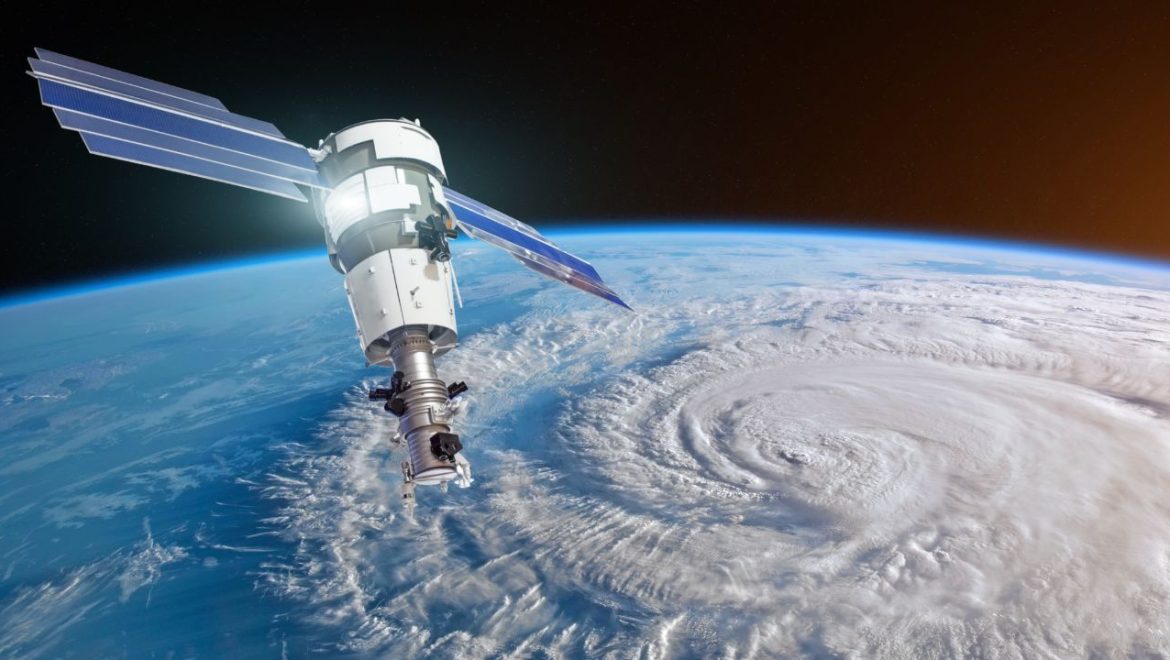
Photo credit: Photo by Canva
Advertisment

The National Aeronautics and Space Administration (NASA) has been at the forefront of space exploration since its inception in 1958. From the iconic Apollo moon landings to the modern-day Artemis program, NASA’s contributions to science, technology, and our understanding of the universe are unparalleled. Central to these achievements are the astronauts who undertake perilous missions, pushing the boundaries of human capability.

The Birth of NASA

NASA was established on July 29, 1958, in response to the Soviet Union’s successful launch of Sputnik, the world’s first artificial satellite. This event marked the beginning of the space race, a period of intense competition between the U.S. and the USSR. NASA’s creation unified various research organizations under a single agency, enabling the U.S. to compete more effectively in space exploration.

NASA’s early missions focused on understanding the conditions in space and testing technologies for future human missions. The Mercury and Gemini programs, for example, were crucial in developing the skills and knowledge required for the Apollo moon landings .

The Role of Astronauts

Astronauts are the brave men and women who venture into space, conducting experiments, maintaining spacecraft, and exploring extraterrestrial environments. Becoming an astronaut is a rigorous process that requires extensive training, education, and physical fitness. Typically, astronauts have backgrounds in engineering, physical sciences, or medicine, with many holding advanced degrees.

NASA’s astronaut selection process is highly competitive. Candidates undergo extensive physical and psychological evaluations, and those selected spend years training in simulators, learning survival skills, and studying the systems of the spacecraft they will be operating .

Historical Milestones

One of NASA’s most significant achievements is the Apollo program, which successfully landed humans on the moon. On July 20, 1969, astronaut Neil Armstrong became the first person to set foot on the lunar surface, followed by Buzz Aldrin. This historic moment fulfilled President John F. Kennedy’s 1961 promise to land a man on the moon before the decade’s end and remains one of the most iconic moments in space exploration .

Beyond the moon, NASA has also sent astronauts to live and work on the International Space Station (ISS). The ISS is a collaborative project involving multiple countries, serving as a laboratory for scientific research in microgravity. Astronauts aboard the ISS conduct experiments that have led to advances in medicine, materials science, and our understanding of the human body .

The Future: Artemis Program and Beyond

NASA’s current focus is on the Artemis program, which aims to return humans to the moon by 2025 and eventually establish a sustainable presence there. The program also plans to send the first woman and the first person of color to the lunar surface. Artemis is seen as a stepping stone to future missions to Mars, with the ultimate goal of sending humans to the Red Planet by the 2030s .

In addition to crewed missions, NASA continues to innovate with robotic explorers like the Mars rovers and space telescopes like the James Webb Space Telescope, which are expanding our understanding of the universe.

NASA and its astronauts have made significant strides in exploring space, pushing the limits of what humanity can achieve. From the early days of the space race to the upcoming Artemis missions, NASA’s work continues to inspire and pave the way for future generations of explorers.

Sources:

NASA Artemis Program Overview

NASA International Space Station Research

NASA Apollo Program History

Advertisment

Related Posts

  • The Rise of Smart Homes: Convenience or Privacy Concern?
  • The 7 Best Baby Video Monitors Compared & Reviewed
  • The Role of Augmented Reality in Education
Advertisment
Advertisment
Trending Now
21 Brilliant Ways to Reduce Anxiety in Pregnancy

21 Brilliant Ways to Reduce Anxiety in Pregnancy

Is anxiety taking over your pregnancy and stopping you from enjoying it? Would you like to take back control and find ways to reduce your

7 Questions About Ectopic Pregnancy Answered

7 Questions About Ectopic Pregnancy Answered

When you get pregnant the fertilized egg implants in the uterus which is where your baby can develop and grow. But in an ectopic pregnancy

Read more...
10 Ways to Make Sure You Have a Healthy Bond with Your Baby

10 Ways to Make Sure You Have a Healthy Bond with Your Baby

New parents, and new moms in particular, have a lot on their mind when it comes to “things you mustn’t get wrong with your newborn.”

Read more...
6 Ways to Have a Healthy Baby (During Pregnancy)

6 Ways to Have a Healthy Baby (During Pregnancy)

You’re pregnant — or you want to be. So even if you’re usually the most laid back human on the planet, you might be starting

Read more...
Blighted Ovum – It’s a Miscarriage NOT a Phantom Pregnancy

Blighted Ovum – It’s a Miscarriage NOT a Phantom Pregnancy

What is a Blighted Ovum? Even though a blighted ovum is a very common form of miscarriage affecting up to 20% of all known pregnancies,

Read more...
Advertisment
10 Common Causes For a Late Period (Including One Science Can’t Explain!)

10 Common Causes For a Late Period (Including One Science Can’t Explain!)

Your period hasn’t arrived as it should and panic starts to set in! Now, wait! Before you go into meltdown and start thinking about dirty

Read more...
9 Freaky Things That Can Happen to Your VJ During Pregnancy

9 Freaky Things That Can Happen to Your VJ During Pregnancy

The female body can do some seriously freaky things during pregnancy and sadly, your lady bits are NOT immune. Not only do most bodily parts

Read more...
8 Ovulation Myths to Ignore When You Want to Get Pregnant

8 Ovulation Myths to Ignore When You Want to Get Pregnant

When you’re trying to get pregnant it’s normal to start spending a lot of time thinking about ovulation. If you get pregnant very easily you

Read more...
When Did I Get Pregnant?  How to Calculate Your Conception Date

When Did I Get Pregnant? How to Calculate Your Conception Date

One of the first questions you might ask yourself when you find out you’re expecting is when you conceived. This can be for a few

Read more...
Rectal Pain during Pregnancy (It Really is a Pain in the Butt)

Rectal Pain during Pregnancy (It Really is a Pain in the Butt)

What Causes Rectal Pain During Pregnancy? The reason is pretty simple—the uterus expands in size, the baby keeps growing, the placenta weighs another pound or

Read more...
Advertisment
5 Ways to Cope with OCD in Pregnancy

5 Ways to Cope with OCD in Pregnancy

Written by Psychologist Nikolina Miljus. One in 100 pregnant women will experience obsessive-compulsive disorder (OCD) symptoms for the first time in pregnancy or OCD pregnancy. For women

Read more...
What Medications Can Affect a Pregnancy Test Result?

What Medications Can Affect a Pregnancy Test Result?

There are surprisingly few medications or substances that can affect the accuracy of a home pregnancy test. So if you’re worried that your hormonal birth

Read more...
Can I Take Antihistamines While I’m Pregnant? (Claritin®, Zyrtec® etc)

Can I Take Antihistamines While I’m Pregnant? (Claritin®, Zyrtec® etc)

Written by our resident Pharmacist, Yeniset Santana. Antihistamines are a common over the counter medication that most of us have used at one time or

Read more...
Folate or Folic Acid in Pregnancy — Which is Best?

Folate or Folic Acid in Pregnancy — Which is Best?

One of most important decisions you’ll make during early pregnancy, or when trying to conceive, is how you’re going to get all vitamins and minerals

Read more...
Labor Without Pushing — A Guide to Breathing Out Baby

Labor Without Pushing — A Guide to Breathing Out Baby

If you’ve looked into hypnobirthing or other methods of coping with labor and birth, you might have come across the phrase ‘breathe the baby out’.

Read more...
Advertisment
Join the Pregged Community
Follow us
  • Pinterest
Disclosure

Some of the links on Pregged lead to sites we are affiliated with, such as Amazon, and we may earn revenue from them.

The material on this website is provided for educational purposes only and is not to be used for medical advice, diagnosis or treatment, or in place of therapy or medical care. Use of this site is subject to our terms of use and privacy policy.

Links
  • About
  • Contact
  • T & C’s
  • Privacy Policy
  • Editorial Standards
Copyright © 2023 Pregged.com. All rights reserved